HalalShield - Chrome Extension

HalalShield - Chrome Extension: AI Tool for Sharia-Compliant Privacy

HalalShield - Chrome Extension: An AI tool for privacy protection aligned with Islamic values—trusted, ethical, and Sharia-compliant.

🟢

HalalShield - Chrome Extension - Introduction

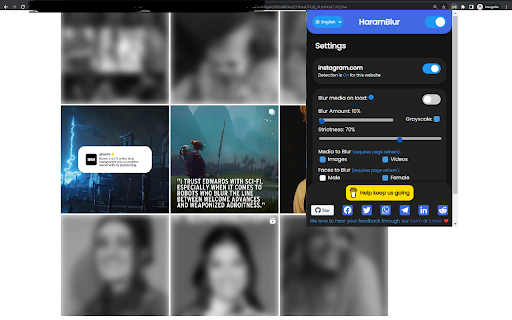
HalalShield - Chrome Extension Website screenshot

What is HalalShield ai chrome extension?

HalalShield is a purpose-built AI-powered Chrome extension designed to safeguard your digital experience in accordance with Islamic ethical principles—automatically identifying and obscuring visual content that conflicts with Sharia-compliant standards of modesty, dignity, and privacy.

How to use HalalShield ai chrome extension?

Install the extension, enable it on any webpage, and let HalalShield work silently in real time—scanning images, videos, and embedded media as you browse, then intelligently blurring or masking non-compliant visuals without disrupting your workflow.

🟢

HalalShield - Chrome Extension - Key Features

Key Features From HalalShield ai chrome extension

Real-time AI-powered content screening

Ethical privacy-first architecture

Sharia-aligned detection logic developed with Islamic scholars

HalalShield ai chrome extension's Use Cases

Safeguarding family browsing on shared devices

Ensuring halal integrity in online learning and professional environments

🟢

HalalShield - Chrome Extension - Frequently Asked Questions

FAQ from HalalShield - Chrome Extension

What is HalalShield?

A trusted, faith-conscious privacy tool—engineered to uphold Islamic values through intelligent, real-time visual content moderation directly within your browser.

How to use HalalShield?

After installation, activate the toggle on supported sites; HalalShield operates automatically—no manual uploads required. It analyzes live web content contextually and applies respectful, reversible blurring where appropriate.

How does HalalShield determine impermissible content?

Its detection model integrates classical Islamic jurisprudence (fiqh) frameworks—particularly those related to haya (modesty), ghayb (privacy), and fitnah (moral harm)—with modern computer vision and responsible AI practices, continuously refined through scholarly consultation and user feedback.