ApiPrivacy

ApiPrivacy: AI Tool for Product Name Privacy

ApiPrivacy: AI tool that detects, catalogs & enforces data privacy standards—your automated, intelligent Product Name solution.

🟢

ApiPrivacy - Introduction

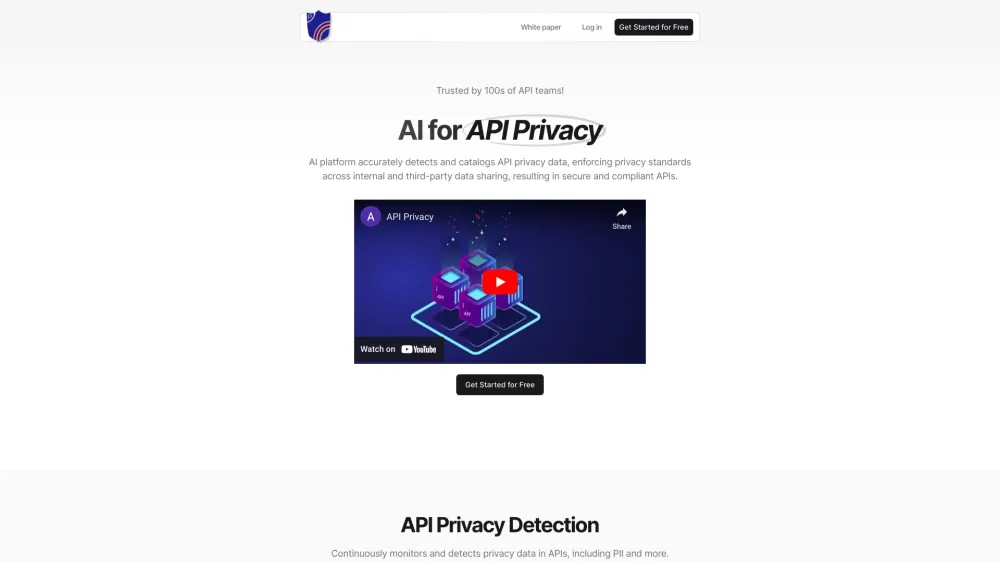
ApiPrivacy Website screenshot

What is ApiPrivacy?

ApiPrivacy is an intelligent AI-powered platform engineered specifically to safeguard product names and sensitive identifiers within API ecosystems—ensuring privacy-by-design, regulatory alignment, and real-time enforcement.

How to use ApiPrivacy?

Integrate ApiPrivacy into your CI/CD pipeline or API gateway to automatically scan, classify, and redact or anonymize product names and proprietary identifiers—turning complex privacy policies into actionable, auditable safeguards.

🟢

ApiPrivacy - Key Features

Key Features From ApiPrivacy

Product Name Intelligence Engine

AI models trained on global branding lexicons and regulatory definitions to distinguish proprietary product names from generic terms with precision.

Context-Aware Privacy Classification

Goes beyond keyword matching—analyzes semantic context, data flow patterns, and usage intent to assign accurate privacy sensitivity levels.

Automated Policy Enforcement

Enforces GDPR, CCPA, HIPAA, and internal governance rules by dynamically applying masking, tokenization, or access controls at the API layer.

ApiPrivacy's Use Cases

Protect Brand Identity in Public APIs

Prevent Leakage of Unreleased Product Names

🟢

ApiPrivacy - Frequently Asked Questions

FAQ from ApiPrivacy

What is ApiPrivacy?

An AI-native solution that identifies, interprets, and protects product names and branded identifiers embedded in API traffic—transforming privacy compliance into a proactive, scalable capability.

How to use ApiPrivacy?

Deploy via lightweight agent or cloud connector; configure policy rules once, then let ApiPrivacy continuously monitor, classify, and enforce privacy controls across your API surface.

What is API Privacy Detection?

A dynamic detection framework that inspects API payloads, headers, and documentation to uncover exposed product names—and correlates them with organizational IP registries and compliance requirements.